
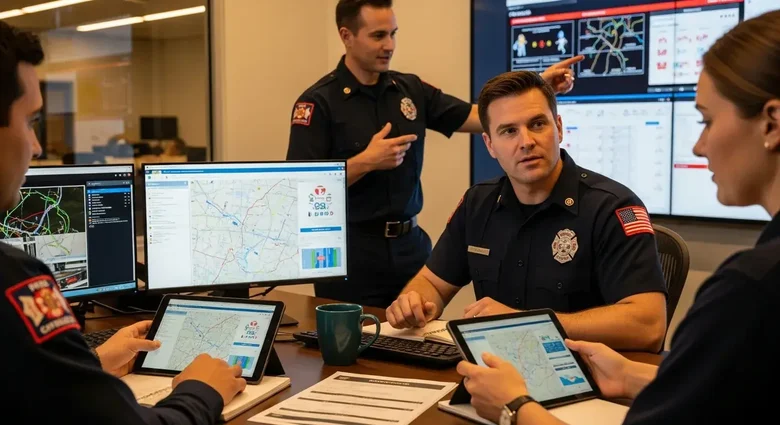
Enhancing Fire Safety Modernization for Public Safety

Enhancing Fire Safety Modernization for Public Safety
What is Fire Safety Modernization?
Fire safety modernization refers to the integration of advanced technologies and practices to improve fire prevention and response. This transformation encompasses the adoption of digital solutions, real-time data access, and collaborative frameworks that enable fire departments to operate with heightened efficiency and effectiveness. By moving away from outdated legacy systems, public safety officials can capitalize on innovations that not only streamline processes but also significantly enhance community safety.
Why is Fire Safety Modernization Important?
Modernizing fire safety is crucial for reducing risks and enhancing the effectiveness of emergency responses. In an age where time is of the essence, the speed and accuracy of a fire department's response can mean the difference between life and death. Legacy systems often impede this urgency, leading to communication breakdowns and delays that can exacerbate dangerous situations. By embracing modernization, fire departments can improve operational efficiencies, facilitate better coordination among agencies, and ultimately safeguard lives and property.
The Impact of Legacy Systems
Legacy systems, which often rely on outdated technology and processes, can severely hinder effective communication among emergency responders. For instance, fragmented data sharing can lead to critical information being lost or misinterpreted, delaying response times during emergencies. Statistics indicate that communities relying on modernized systems experience response times that are, on average, 20-30% faster compared to those using traditional methods. This stark contrast underscores the urgency for fire departments to overhaul their infrastructures for enhanced public safety.
Key Technologies in Fire Safety Modernization
Technologies such as smart alarms, fire detection systems, and data analytics play a pivotal role in modern fire safety.
- Smart Alarms: These devices are interconnected and capable of sending alerts to both residents and fire departments in real time. They can provide crucial information about the nature and location of a fire, allowing for quicker response times.
- Fire Detection Systems: Modern systems leverage advanced sensors and artificial intelligence to detect fires at their inception. This proactive approach enables faster intervention, potentially preventing small incidents from escalating into catastrophic events.
- Data Analytics: The use of data analytics allows fire departments to analyze patterns in fire incidents, helping to identify high-risk areas and allocate resources more effectively. By employing predictive analytics, departments can anticipate potential fire outbreaks and implement preventive measures.
Challenges in Implementing Fire Safety Modernization
Implementing modernization efforts can face challenges such as budget constraints and resistance to change. Many fire departments operate under stringent budgets, making it difficult to allocate funds for new technologies or training. Additionally, the cultural shift required for adopting new systems often meets with skepticism among staff, particularly those accustomed to traditional methods.
To combat these challenges, fire departments can take several practical steps:
- Pilot Programs: Initiating small-scale pilot programs can demonstrate the efficacy of modern technologies without overwhelming departmental budgets. Successful pilots can serve as models for broader implementation.
- Stakeholder Engagement: Engaging with department staff, community members, and local government can foster a sense of ownership and collaboration, easing the transition to new systems. Testimonials from community members can highlight the benefits of modernization, rallying support for necessary changes.
- Training and Development: Comprehensive training programs are essential for ensuring that staff are equipped to utilize new technologies effectively. Continuous education initiatives can help mitigate resistance and promote a culture of innovation within fire departments.
Case Studies of Successful Fire Safety Modernization
Several organizations have successfully modernized their fire safety protocols, showcasing effective strategies and outcomes. For instance, one municipal fire department implemented a digital permitting solution that streamlined the issuance of fire safety permits. This system eliminated the cumbersome paper-based process, significantly reducing approval times from weeks to mere days.
Another case study involves a city that adopted a real-time data access platform, allowing firefighters to receive live updates about incidents. This integration improved situational awareness and coordination between multiple agencies during emergencies, resulting in a marked improvement in response times.
These examples illustrate the tangible benefits of modernization, reinforcing the argument that investing in new technologies and practices can yield significant dividends in public safety.
Future Trends in Fire Safety Modernization
The future of fire safety modernization is likely to include advancements in AI, IoT, and predictive analytics. Emerging technologies such as drones for aerial surveillance and thermal imaging will enhance situational awareness in emergency situations. The integration of the Internet of Things (IoT) will facilitate seamless communication between devices, improving overall operational efficiency.
Moreover, predictive analytics will continue to evolve, enabling departments to forecast fire risks based on historical data and environmental factors. This proactive approach will empower fire departments to focus on preventive measures, ultimately leading to safer communities.
Conclusion
Fire safety modernization is not merely an option; it is a necessity for enhancing public safety and operational efficiency. By addressing the challenges posed by legacy systems, embracing collaborative practices, and leveraging advanced technologies, fire departments can significantly improve their emergency response capabilities.
Local government decision-makers, city planners, and fire department officials must prioritize modernization initiatives to ensure that their communities remain safe and resilient. The integration of digital permitting solutions and real-time data access will not only streamline operations but also foster a culture of transparency and accountability.
As communities grow and evolve, so too must their fire safety strategies. It is imperative to act now, leveraging the insights and successes from modernized systems to build a safer future for all. The call to action is clear: invest in fire safety modernization today to secure a safer tomorrow.
Related Posts

Data Mission Press Release

Enhancing Public Sector Cybersecurity for Local Governments
