


Data-Driven Public Works Management for Enhanced Efficiency
Public Works Management focuses on planning, executing, and maintaining public infrastructure projects. In an era where data reigns supreme, public works leaders must harness technology and analytics to improve service delivery and operational efficiency. This blog post delves into how data-driven public works management can transform operations, enhancing accountability and transparency while meeting community needs.
Why is Public Works Management Important?
Public Works Management is crucial for ensuring that community infrastructure is safe, efficient, and meets public needs. From roads and bridges to water supply systems and waste management, effective public works management underpins the quality of life in communities. Leaders must navigate complex challenges, balancing budget constraints, regulatory requirements, and public expectations. Embracing data-driven public works strategies can significantly enhance operational efficiency, ultimately leading to improved community satisfaction and trust.
Key Components of Public Works Management
The key components include project planning, budgeting, resource allocation, and stakeholder engagement. Public works teams rely on robust data to make informed decisions about these components. Effective public works reports provide valuable insights into operational efficiency, helping teams focus on areas that require attention. Five essential reports can significantly enhance accountability and operational efficiency:
- Work Order Completion Report: Tracks the status of work orders, ensuring timely completion and resource allocation.
- Asset Condition Summary: Provides a snapshot of the current state of public assets, enabling proactive maintenance and investment decisions.
- Resource Utilization Report: Analyzes the deployment of resources, ensuring they are used effectively across projects.
- 311 Service Request Resolution Report: Monitors the resolution of community service requests, fostering transparency and responsiveness.
- Budget vs. Actual Cost Report: Compares projected expenses with actual spending, helping managers stay on track and adjust as needed.
These reports, when used effectively, can lead to improved service delivery, better communication with the public, and enhanced resource management.
Challenges in Public Works Management
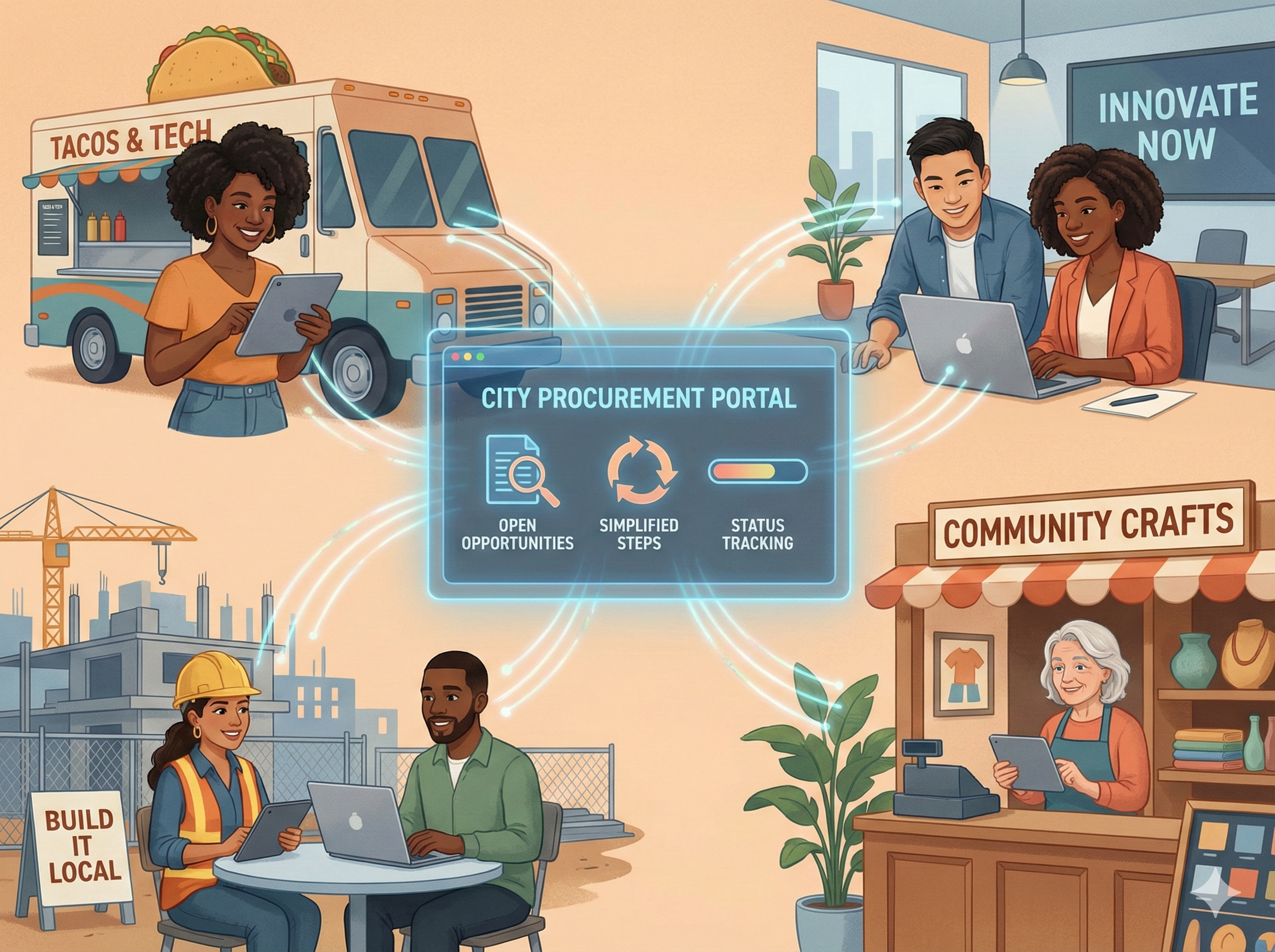
Public Works Management faces challenges such as funding constraints, regulatory compliance, and public scrutiny. These obstacles can hinder effective service delivery and operational efficiency. For instance, without adequate funding, maintenance schedules may be delayed, leading to deteriorating infrastructure and diminished public trust. Additionally, meeting regulatory requirements can be time-consuming, often diverting resources away from essential services.
Public works leaders also grapple with the challenge of community engagement. In an age where citizens expect transparency and responsiveness, public works teams must find innovative ways to involve the community in decision-making processes. This is where data-driven public works reporting can play a crucial role. By providing accessible reports that highlight progress and challenges, public works departments can foster a more informed and engaged citizenry.
Best Practices in Public Works Management
Best practices involve adopting innovative technologies, engaging the community, and ensuring transparency in operations. The integration of data analytics and reporting tools can streamline public works processes, enhance accountability, and improve operational efficiency. Here are a few best practices for public works leaders:
- Leverage Technology: Invest in software solutions that facilitate data collection and reporting. Tools like Geographic Information Systems (GIS) and asset management software can provide real-time insights into infrastructure conditions and needs.
- Automate Reporting: Automating the process of generating reports can save time and reduce errors. This not only streamlines operations but also fosters transparency, as stakeholders can easily access relevant information.
- Engage the Community: Regularly communicate with community members about ongoing projects, service requests, and improvements. Utilizing platforms for public feedback ensures that citizens feel heard and valued.
- Monitor Performance Metrics: Establish key performance indicators (KPIs) to evaluate the effectiveness of public works initiatives. This data can guide decision-making and highlight areas for improvement.
- Continuous Training: Equip public works staff with ongoing training in data management and reporting technologies. This investment in human resources is essential for maximizing the potential of new tools and strategies.
Real-World Examples
Several cities have successfully implemented data-driven reporting to enhance their public works management:
- Kitsap County, Washington has integrated asset management software that provides real-time data on the condition of infrastructure assets. This has allowed the county to prioritize maintenance projects based on actual needs rather than historical data alone, resulting in increased service delivery efficiency.
- Kansas City, Missouri has leveraged its 311 service request system to analyze community feedback and improve response times. By generating reports on service request resolution, the city has successfully reduced wait times and increased citizen satisfaction.
These examples highlight the significant impact that effective public works reports can have on managing community expectations and resources.
Future Trends in Public Works Management
As technology continues to evolve, so too will the landscape of public works management. Future trends are likely to include:
- Increased Use of IoT Devices: The Internet of Things (IoT) will facilitate real-time monitoring of public infrastructure, allowing for predictive maintenance based on actual wear and tear.
- Advanced Analytics: Machine learning and artificial intelligence will enable deeper insights into operational data, helping public works teams anticipate issues and optimize resource allocation.
- Enhanced Community Engagement Platforms: As communities demand more transparency, public works departments will likely adopt more sophisticated platforms for engaging citizens, allowing for real-time feedback on services and projects.
- Sustainability Reporting: As environmental concerns grow, public works management will increasingly focus on sustainability metrics, ensuring that infrastructure projects align with community goals for environmental stewardship.
- Collaboration Tools: Enhanced collaboration tools will improve communication between departments and stakeholders, helping to break down silos and foster a more integrated approach to public works management.
Conclusion
Public works management is at a pivotal juncture, where data-driven public works decision-making can significantly enhance operational efficiency and community engagement. By leveraging innovative tools and technologies, public works leaders can improve accountability, transparency, and service delivery. The implementation of essential reports not only streamlines operations but also provides valuable insights that empower public works teams to make informed decisions.
For public works leaders and managers, the call to action is clear: embrace data-driven strategies and invest in the tools that will shape the future of public infrastructure. By doing so, they can ensure that their communities receive the high-quality services they deserve, paving the way for a more efficient and responsive public works system.
Related Posts


